
Drywall Repair Vaughan
Top-Quality Drywall Repair Service Company in Vaughan, ON
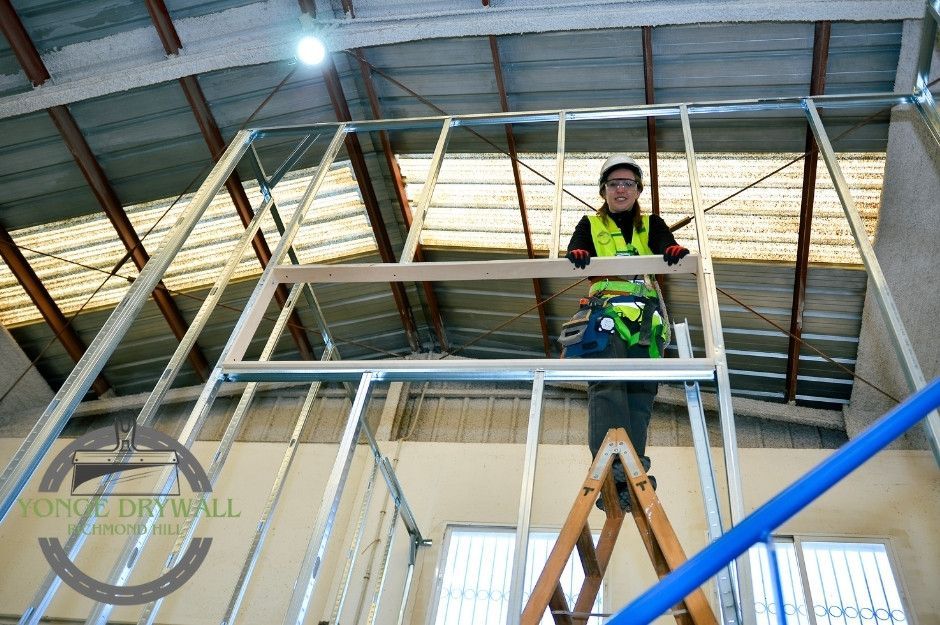
Drywall damage in your Vaughan home can quickly transform a well-maintained space into an eyesore that demands immediate attention. Professional drywall contractors at Yonge Drywall Richmond Hill in Vaughan offer comprehensive solutions that address everything from minor hole patching to complete ceiling panel replacement, water damage restoration, and modern soundproofing installations.
With Vaughan's 2021 population of 323,103 residents and its status as the fifth-largest city in the Greater Toronto Area, the demand for quality home maintenance services continues to grow alongside the city's rapid development.
Whether you're dealing with unsightly ceiling cracks, outdated popcorn textures, or holes from everyday wear and tear, professional repair services restore both the appearance and structural integrity of your walls and ceilings.
Given Vaughan's continental climate (Dfb) with four distinct seasons and temperature extremes ranging from record lows of -34.5°C to highs of 39°C, homes experience significant thermal expansion and contraction that can lead to drywall cracking and structural stress.
Your home's drywall serves as the foundation for your interior design, and choosing experienced professionals means accessing expertise in popcorn ceiling removal, sagging repairs, and advanced installation methods. The right repair approach depends on factors like damage severity, ceiling type, and your long-term renovation goals.
Yonge Drywall Richmond Hill (HP)
Comprehensive Drywall Repair Services in Vaughan
Professional drywall repair addresses structural damage from cracks and holes to water infiltration and sagging sections. Serving communities throughout Vaughan including Woodbridge, Maple, Thornhill, Concord, and Kleinburg, specialized repair teams understand the unique challenges faced by homes in this diverse municipality. Specialized techniques ensure proper restoration of ceiling panels, wall surfaces, and plaster components.
Ceiling Crack and Hole Patching
Small holes require mesh patches or compound application for smooth restoration. You can expect technicians to sand the area and apply multiple coats for seamless blending.
Larger holes need backing material installation before patching begins. The repair process involves cutting precise patches that match your existing drywall thickness.
Ceiling cracks form from settling, temperature changes, or moisture exposure. In Vaughan, where the city experiences an average of 102.8 cm of snowfall annually and 799.8 mm of total precipitation, moisture-related damage remains a common concern for homeowners. Repair specialists assess crack patterns to determine underlying causes before treatment.
The patching process includes these steps:
- Surface preparation and debris removal
- Mesh or tape application for reinforcement
- Compound layering with proper drying time
- Sanding and priming for paint readiness
Professional drywall patch work maintains structural integrity while matching existing textures perfectly.
Sagging and Water Damage Solutions
Water damage creates multiple repair challenges including discoloration, softening, and mold growth. You need immediate assessment to prevent further deterioration. The devastating F2 tornadoes that struck Vaughan on August 20, 2009, during the Southern Ontario Tornado Outbreak damaged approximately 200 homes critically and up to 600 additional properties, creating unprecedented demand for comprehensive drywall and structural repairs throughout the city.
Sagging drywall indicates fastener failure or moisture infiltration behind panels. Repair teams remove damaged sections and address moisture sources before installation.
Critical repair indicators:
- Visible staining or discoloration
- Soft spots when pressed
- Bulging or drooping sections
- Musty odors indicating mold
Water damage restoration involves complete section replacement rather than surface patching. Your repair team will install moisture barriers and ensure proper ventilation.
Emergency water damage requires rapid response to minimize structural impact and prevent mold establishment.
Plaster and Wall Repair Techniques
Plaster repair uses specialized compounds that bond with existing materials effectively. Many of Vaughan's historic communities like Thornhill (established with a sawmill in 1801), Kleinburg, and Woodbridge contain older homes with original plaster walls that require specialized restoration techniques to preserve their heritage character. You benefit from techniques that restore original wall strength and appearance.
Wall repair encompasses surface damage, impact holes, and texture matching challenges. Professional teams use appropriate materials for different wall compositions.
Modern repair techniques include:
- Skim coating for surface imperfections
- Texture matching using spray or hand application
- Reinforcement installation for structural integrity
Material compatibility ensures long-lasting repairs that prevent future cracking or separation. Your contractor selects compounds based on existing wall composition.
Plaster repair requires specific expertise because improper techniques create visible seams or texture mismatches. Professional application guarantees seamless integration with surrounding surfaces.
Popcorn Ceiling Expertise and Ceiling Upgrades
Professional popcorn ceiling services transform outdated textured surfaces into modern, smooth finishes through specialized removal techniques and expert repair methods. As Vaughan transitioned from primarily agricultural land in 1846 (with a population of just 4,300) to a rapidly growing modern city that became the fastest-growing municipality in Canada between 1996 and 2006, many homes built during different eras feature varying ceiling treatments requiring specialized expertise. Ceiling panel replacement provides comprehensive solutions for severely damaged or water-stained areas that require complete restoration.
Popcorn Ceiling Removal Process
The removal process begins with proper preparation and containment to protect your home's surfaces. Professional contractors seal off the work area with plastic sheeting and remove furniture to prevent contamination.
Pre-1980 Testing Requirements:
- Asbestos testing for popcorn ceilings installed before 1980
- Professional abatement if asbestos is present
- Safe disposal according to local regulations
The actual removal involves spraying sections with water to soften the texture. Workers then scrape the dampened popcorn material using specialized tools designed for ceiling work.
Removal Steps:
- Surface preparation - covering floors and walls
- Sectional spraying - applying water in manageable areas
- Careful scraping - removing softened texture material
- Surface cleaning - eliminating residual particles
- Primer application - preparing for final finish
Post-removal work includes sanding any remaining rough spots and applying primer before painting or texturing.
Popcorn and Plaster Ceiling Repair
Damaged popcorn ceilings often require targeted repairs before removal or refinishing. Water damage, cracks, and crumbling sections need professional assessment to determine the best repair approach.
Common Repair Issues:
- Water stains from roof leaks or plumbing issues
- Cracked sections due to settling or temperature changes
- Loose texture that falls or sags over time
Plaster ceiling repairs involve different techniques depending on damage severity. Small cracks receive mesh tape and joint compound application, while larger damaged areas may require partial replastering.
Repair Process:
- Damage assessment and moisture source elimination
- Removal of loose or damaged material
- Surface preparation and priming of exposed areas
- Application of repair compound or new plaster
- Texture matching for seamless integration
Professional repairs ensure structural integrity and prevent future deterioration.
Replacing Ceiling Panels
Complete ceiling panel replacement becomes necessary when damage extends beyond surface repairs. This comprehensive solution addresses severe water damage, structural issues, or situations where removal isn't practical.
Replacement Scenarios:
- Extensive water damage affecting drywall integrity
- Structural sagging requiring new support
- Multiple repair areas making replacement more cost-effective
The replacement process involves removing damaged sections down to the ceiling joists. New drywall panels are measured, cut, and secured using appropriate fasteners for your ceiling type.
Installation Steps:
| Step | Process | Timeline |
|---|---|---|
| 1 | Remove damaged panels | 1-2 hours |
| 2 | Install new drywall | 2-3 hours |
| 3 | Tape and mud joints | 1 day |
| 4 | Sand and prime | 1-2 days |
| 5 | Apply final finish | 1-2 days |
New panels provide opportunities for upgrades like improved insulation or modern lighting integration. Professional installation ensures proper attachment and seamless integration with existing ceiling areas.
Professional Drywall Installation and Soundproofing
Professional drywall installation provides structural integrity and acoustic control for your Vaughan property. Located just north of Toronto in the Regional Municipality of York, Vaughan's urban development near major transportation corridors like Highway 400, Highway 7, and the Vaughan Metropolitan Centre subway station creates increased demand for soundproofing solutions in residential areas. Specialized soundproof materials and precise installation techniques create quieter living spaces while maintaining durability.
Soundproof Drywall Installation
Soundproof drywall installation uses specialized materials to reduce noise transmission between rooms. These systems typically include sound-dampening compounds, thicker panels, and strategic layering techniques.
Mass-loaded vinyl gets installed between drywall layers to block sound waves. This flexible material adds density without increasing wall thickness significantly.
Double-layer installation creates an effective sound barrier. The first layer receives standard treatment, while the second layer uses offset seams and acoustic adhesive.
Resilient channels decouple drywall from framing members. These metal strips reduce vibration transfer through structural elements.
Green Glue compound applies between drywall sheets to convert sound energy into heat. This viscoelastic material performs best when covering 80% of the panel surface.
Standard soundproof drywall achieves STC ratings between 50-60. Specialized systems can reach STC ratings above 65 for maximum noise reduction.
Residential Drywall Installations
Residential drywall installations require precise measurements and proper fastening techniques. With Vaughan City Hall (opened September 25, 2011, in Maple) being one of the first municipal buildings in Canada to achieve LEED Gold Standard certification, local contractors increasingly incorporate sustainable building practices and energy-efficient installation methods in residential projects. Standard 1/2-inch panels work for most interior walls, while 5/8-inch panels provide better fire resistance.
Ceiling installations demand additional support due to gravity loads. Screws must penetrate ceiling joists by at least 1 inch for secure attachment.
Moisture-resistant drywall goes in bathrooms and kitchens where humidity levels stay elevated. These panels contain water-repelling additives in the core material.
Corner bead installation creates clean, straight edges at wall intersections. Metal beads resist impact damage better than paper-faced alternatives.
Proper joint spacing prevents cracking from thermal expansion. Panels should maintain 1/4-inch gaps at floor and ceiling connections.
Professional installers mark stud locations before hanging panels. This prevents missed fasteners and ensures code-compliant attachment patterns throughout your home.
Specialized Drywall Finishing Techniques
Professional drywall finishing transforms rough installations into smooth, polished surfaces through precise texturing applications and seamless mudding and taping processes. Vaughan's diverse ethnocultural composition, which evolved significantly after World War II with the arrival of Italian, Jewish, and Eastern European communities, has influenced local design preferences and finishing style choices throughout the city's neighborhoods.
Drywall Texturing Methods
Drywall texturing adds visual depth and helps conceal minor imperfections in your walls and ceilings. Professional contractors use multiple specialized techniques to achieve different aesthetic effects.
Orange peel texture creates a subtle bumpy surface using diluted joint compound applied with a spray gun. This technique works well for modern homes and requires specific air pressure settings.
Knockdown texture begins with orange peel application, then flattens raised areas with a trowel. The timing between application and knockdown determines the final pattern intensity.
Skip trowel texture involves hand-applying joint compound with a trowel in random patterns. This method creates an organic, Mediterranean-style appearance popular in custom homes.
Brush texture uses specialized brushes to create directional patterns in wet compound. Different brush types produce varying effects from subtle swirls to pronounced ridges.
Professional drywall services ensure proper material consistency and application timing for each texture type.
Expert Mudding and Taping
Mudding and taping creates invisible seams between drywall panels through precise compound application and sanding techniques. This foundational process determines the quality of your finished walls.
Three-coat system applies progressively wider compound layers over tape. The first coat embeds tape, the second feathers edges, and the third creates smooth transitions.
Paper tape provides stronger joints for flat seams and inside corners. Professional installers ensure complete adhesion without air bubbles or wrinkles.
Mesh tape offers easier application for repairs and patches. Self-adhesive versions speed installation but require proper compound coverage.
Corner beads protect outside corners from damage while creating perfectly straight edges. Metal and plastic varieties suit different applications and budgets.
Proper sanding between coats removes imperfections and creates uniform surfaces ready for primer and paint application. For residents throughout Vaughan's five major communities—Woodbridge, Maple, Thornhill, Concord, and Kleinburg—professional finishing ensures that renovations meet the high standards expected in this growing 17th-largest city in Canada.