
Drywall Repair Milton
Top-Quality Drywall Repair Service Company in Milton, ON
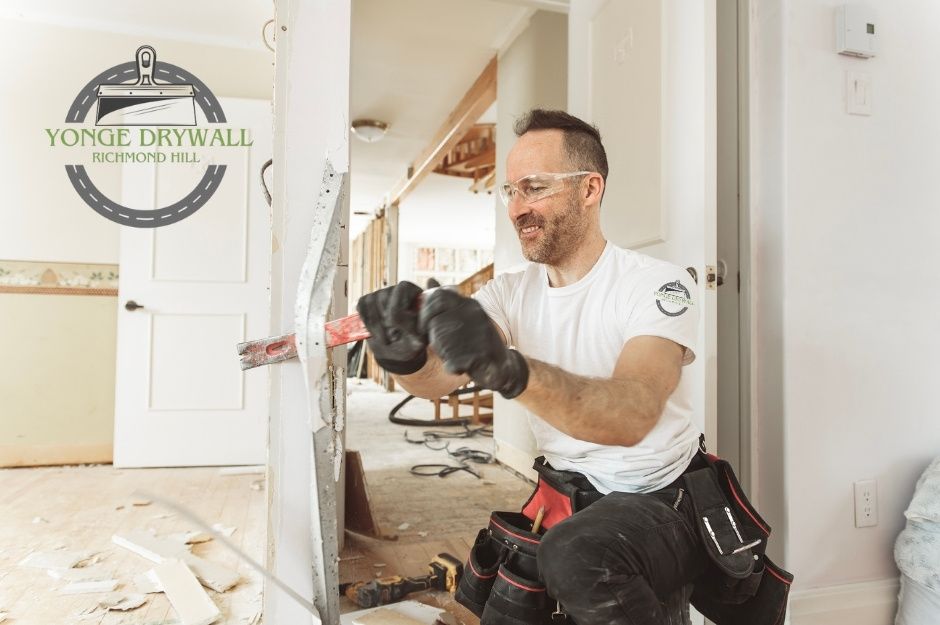
Milton, Ontario presents unique challenges for homeowners managing drywall maintenance in both historic downtown properties and rapidly developing suburban neighborhoods. Professional drywall repair services at Yonge Drywall Richmond Hill in Milton, Ontario specialize in comprehensive solutions including ceiling crack repair, popcorn ceiling removal, hole patching, water damage restoration, and complete installation of soundproof drywall systems.
Whether you're dealing with unsightly ceiling cracks, outdated popcorn textures, or water damage from recent storms, finding the right drywall repair company can make the difference between a quick fix and a lasting solution.These services extend beyond basic repairs to include expert finishing techniques such as texturing, mudding, and taping that ensure seamless results.
Your home's walls and ceilings deserve attention from experienced contractors who understand the specific challenges of Milton's climate and housing styles. With Milton's humid continental climate (Dfb classification) bringing warm, rainy summers and long, cold, snowy winters—averaging 161.4 cm of snowfall annually—homes face significant temperature fluctuations that can cause drywall expansion, contraction, and cracking. From emergency hole patching to complete ceiling renovations, professional drywall services can transform damaged surfaces into smooth, properly finished walls ready for painting and final touches.

Yonge Drywall Richmond Hill (HP)
Comprehensive Drywall Repair Services in Milton, Ontario
Professional drywall repair services address structural issues like ceiling cracks, visible holes requiring patches, and water damage that causes sagging. These specialized repairs restore both the integrity and appearance of your walls and ceilings.
Ceiling Crack Repair
Ceiling cracks appear due to foundation settling, temperature changes, or structural movement in your home. In Milton's climate, where daily mean temperatures swing from -6.8°C in January to 20.6°C in July, expansion and contraction cycles place considerable stress on drywall joints and fasteners. Small hairline cracks can be repaired with mesh tape and joint compound, while larger cracks may require cutting out damaged sections.
Common Ceiling Crack Types:
- Hairline stress cracks
- Settlement cracks along joints
- Large structural cracks
- Seasonal expansion cracks common in Milton's freeze-thaw cycles
Professional ceiling repair services assess the underlying cause before starting repairs. The process involves cleaning out loose material, applying mesh tape, and building up layers of compound for a smooth finish.
Ceiling repairs typically take 2-3 days including drying time between coats. Your repair technician will match existing ceiling texture to ensure seamless blending with surrounding areas. This timeline may extend during Milton's high-humidity summer months (averaging 72.9 mm of precipitation in June) when drying times increase.
Hole and Patch Repairs
Wall repair services handle holes ranging from small nail holes to large openings from door handles or accidents. Drywall patching techniques vary based on hole size and location on your wall surface. Properties throughout Milton—from the historic downtown near Mill Pond to newer developments along James Snow Parkway—require customized patching approaches based on building age and construction methods.
Repair Methods by Size:
- Small holes (under 1 inch): Spackling compound only
- Medium holes (1-6 inches): Self-adhesive mesh patches
- Large holes (over 6 inches): Cut-in patches with backing support
The patching process involves cutting clean edges around damaged areas, installing backing material when needed, and applying multiple coats of joint compound. Each layer must dry completely before sanding and applying the next coat.
Professional wall repair services ensure patches blend invisibly with existing wall texture and paint finish.
Water Damage and Sagging Solutions
Water damage creates serious structural problems including sagging drywall, mold growth, and compromised ceiling integrity. Milton's average annual precipitation of 874.9 mm, combined with heavy snowfall that creates potential ice dam issues on roofs, makes water damage a common concern for homeowners, particularly in properties near the Sixteen Mile Creek and Niagara Escarpment areas. Immediate assessment determines whether sections need complete replacement or can be dried and repaired.
Sagging occurs when drywall absorbs moisture and loses structural strength. These areas require immediate attention to prevent collapse and potential mold growth behind wall surfaces.
Water Damage Repair Steps:
- Source identification and moisture elimination
- Damaged section removal and disposal
- Structural drying and mold prevention treatment
- New drywall installation and finishing
Drywall ceiling repair for water damage often involves replacing entire sections rather than patching. Professional ceiling repair services use moisture meters to ensure complete drying before installing replacement materials.
Popcorn Ceiling and Textured Ceiling Solutions
Milton homeowners often face challenges with outdated popcorn ceilings and damaged textured surfaces that require professional attention. Many homes built during Milton's incorporation as a town in 1857 through the mid-20th century boom period feature period-appropriate ceiling textures that now require updating or repair. Professional contractors use specialized techniques and dustless sanding equipment to safely remove these textures while providing expert texture matching and repair services.
Popcorn Ceiling Removal
Safety considerations are paramount during popcorn ceiling removal. Homes built before 1980 may contain asbestos in the texture material. This is particularly relevant for Milton properties constructed before the town's significant expansion that began in the early 2000s, including older homes in the downtown core near Mary Street and Main Street. Professional contractors conduct testing before beginning removal work.
The removal process involves several steps. Contractors use dustless sanding equipment and plastic sheeting to contain debris. They spray the ceiling with water to soften the texture before scraping.
Modern equipment makes the process cleaner than traditional methods. Dustless sanders capture particles during removal, reducing mess and health risks. This approach protects your furniture and flooring.
After popcorn ceiling removal, contractors prepare the surface for finishing. They sand rough areas and apply primer before painting or adding new texture. The result is a smooth, updated ceiling surface.
Stucco and Textured Ceiling Repair
Textured ceilings develop cracks, stains, and peeling areas over time. Water damage often causes the most severe problems, requiring immediate attention to prevent mold growth.
Repair techniques vary based on damage severity. Small cracks need filling and sanding before texture application. Larger damaged areas require cutting out affected sections and installing new drywall patches.
Stucco removal follows similar principles to popcorn ceiling removal. Contractors use specialized tools to scrape away damaged texture while preserving the underlying drywall surface.
Water damage repairs require additional steps. Contractors must identify and fix the moisture source before beginning texture repairs. They may need to replace insulation or drywall in severely affected areas. Given Milton's location on the Niagara Escarpment—a UNESCO World Biosphere Reserve—proper moisture management is essential to prevent damage in homes built on varying elevations and drainage patterns.
Texture Matching and Retexturing
Achieving seamless texture matching requires skill and experience. Contractors analyze the existing ceiling texture pattern and density before beginning repair work.
Application methods include spray textures, hand-applied textures, and rolled patterns. Each technique produces different results, so contractors select the method that best matches your existing ceiling texture.
Professional contractors use various tools for texture matching. Spray equipment creates fine or coarse textures depending on settings. Hand tools produce stippled or swirled patterns common in older homes.
Quality control involves comparing repaired areas to surrounding ceiling sections. Contractors adjust their technique until the new texture blends invisibly with the existing surface. Proper lighting helps identify any inconsistencies during application.
Professional Drywall Installation and Finishing
Professional drywall installation and finishing services transform your Milton home with precision craftsmanship. Whether you're renovating a historic property in downtown Milton dating back to the town's 1837 founding or finishing a new build in one of the rapidly expanding residential areas south of Highway 401, professional installation ensures lasting quality. These services encompass specialized soundproofing solutions, ceiling panel replacements, expert mudding and taping techniques, and custom texturing applications.
Soundproof Drywall Installation
Soundproof drywall installation reduces noise transmission between rooms and floors in your home. This specialized drywall installation process uses thicker panels or acoustic-rated materials that dampen sound vibrations. With Milton serving as the western terminus for the Milton GO Transit line and proximity to Highway 401—which was slated for widening to ten lanes—soundproofing has become increasingly important for homes near these transportation corridors.
The installation involves securing sound-dampening drywall to wall studs with specific spacing requirements. Professional installers apply acoustic sealant around edges and penetrations to prevent sound leaks.
You can expect noise reduction of 10-15 decibels with proper soundproof drywall installation. This makes conversations, television, and music less audible in adjacent rooms.
Common applications include:
- Home theaters and media rooms
- Bedrooms adjacent to busy areas
- Home offices requiring quiet environments
- Basement ceiling installations
- Properties along Britannia Road, Derry Road, and Steeles Avenue near major traffic corridors
The process takes longer than standard drywall installation due to specialized materials and sealing requirements. Professional installation ensures optimal acoustic performance and proper fire rating compliance.
Replacing and Installing Ceiling Panels
Ceiling panel replacement addresses damaged, sagging, or outdated ceiling sections in your Milton home. This drywall services process involves removing old panels and installing new ones with proper support.
Professional installers measure and cut new panels to exact specifications. They secure panels to ceiling joists using appropriate fasteners spaced according to building codes.
Installation steps include:
- Removing damaged panels safely
- Inspecting ceiling structure for issues
- Cutting new panels to precise measurements
- Securing panels with proper fastener patterns
Water damage often necessitates ceiling panel replacement. Installers check for underlying moisture issues before proceeding with new panel installation. Milton's record high temperatures reaching 35.0°C in August combined with sudden temperature drops can create condensation issues in attics, particularly affecting ceiling panels in upper-floor rooms.
The process requires specialized equipment to handle ceiling installations safely. Professional teams complete installations efficiently while maintaining structural integrity and fire ratings.
Drywall Mudding and Taping
Drywall finishing through mudding and taping creates smooth, seamless wall surfaces ready for paint or texture application. This process conceals joints between drywall panels and fastener holes.
Professional mudding applies joint compound in three coats over paper or mesh tape. Each coat requires proper drying time and sanding between applications.
The first coat embeds tape into joint compound along panel seams. The second coat widens the coverage area and fills remaining imperfections. The final coat feathers edges for invisible transitions.
Essential materials include:
- Joint compound (mud)
- Paper or fiberglass mesh tape
- Various trowel and knife sizes
- Sanding equipment
Proper mudding technique prevents cracking and ensures paint adhesion. Professional finishers achieve Level 4 or Level 5 finishes depending on your project requirements.
Temperature and humidity affect drying times during the mudding process. Experienced contractors adjust their schedules accordingly for optimal results. Milton contractors familiar with the town's 132 average precipitation days annually plan projects accounting for humidity levels that can significantly impact drying times.
Drywall Texturing Services
Drywall texturing adds visual interest and helps conceal minor surface imperfections on your walls and ceilings. Professional texturing services offer various patterns and techniques to match existing surfaces or create new designs.
Popular texture options include:
- Knockdown texture - Subtle, mottled appearance
- Orange peel - Fine, bumpy surface texture
- Skip trowel - Hand-applied irregular patterns
- Smooth finish - Flat, even surface preparation
Spray texturing provides consistent coverage for large areas. Hand texturing offers more control for detailed work and repairs.
Professional texture application requires proper surface preparation and primer application. The texture must cure completely before painting to prevent peeling or poor adhesion.
Matching existing textures demands skill and experience. Professional contractors blend new texture seamlessly with surrounding areas for invisible repairs.
Ceiling Painting and Finishing Touches
After drywall repairs are complete, professional ceiling painting and thorough cleanup ensure your Milton home looks flawless. Quality paint application and proper finishing techniques protect your investment while delivering lasting visual appeal.
Ceiling Painting Services
Professional ceiling painting requires specialized techniques and equipment to achieve smooth, uniform coverage. Milton drywall contractors use high-quality primers and paints specifically formulated for ceiling applications.
Primer application is essential for newly repaired areas. This step seals the patched surfaces and prevents color bleeding through the finish coat.
Your contractor will typically use the following process:
- Surface preparation and dust removal
- Primer application on repaired sections
- Two coats of ceiling paint using appropriate rollers
- Cut-in work around edges and fixtures
Paint selection matters significantly for ceiling durability. Flat or matte finishes hide imperfections best, while eggshell provides better washability for high-moisture areas like bathrooms. Milton's humid summers with 88.4 mm of rainfall in August make moisture-resistant paint particularly important for bathrooms and kitchens in the town's 132,979 households.
Professional painters protect your furniture and floors with drop cloths. They also ensure proper ventilation during application to promote even drying and reduce odors.
Final Inspection and Clean-Up
Thorough inspection confirms all repairs meet quality standards before project completion. Your contractor examines the ceiling under different lighting conditions to identify any missed spots or imperfections.
Quality checkpoints include:
- Uniform paint coverage without streaks
- Smooth texture consistency
- Proper edge work around fixtures
- No visible repair marks or patches
Professional cleanup involves removing all protective coverings and disposing of materials properly. Contractors vacuum dust particles and wipe down surfaces that may have collected overspray.
Your Milton drywall company should leave your space cleaner than when they arrived. This includes returning furniture to original positions and ensuring no paint residue remains on fixtures or floors. Reputable contractors serving Milton—from Campbellville in the north to properties along Tremaine Road in the west—prioritize thorough cleanup as part of their service standard.
Final walkthrough allows you to address any concerns immediately while the crew is still present.