
Drywall Repair Burlington
Top-Quality Drywall Repair Service Company in Burlington, ON
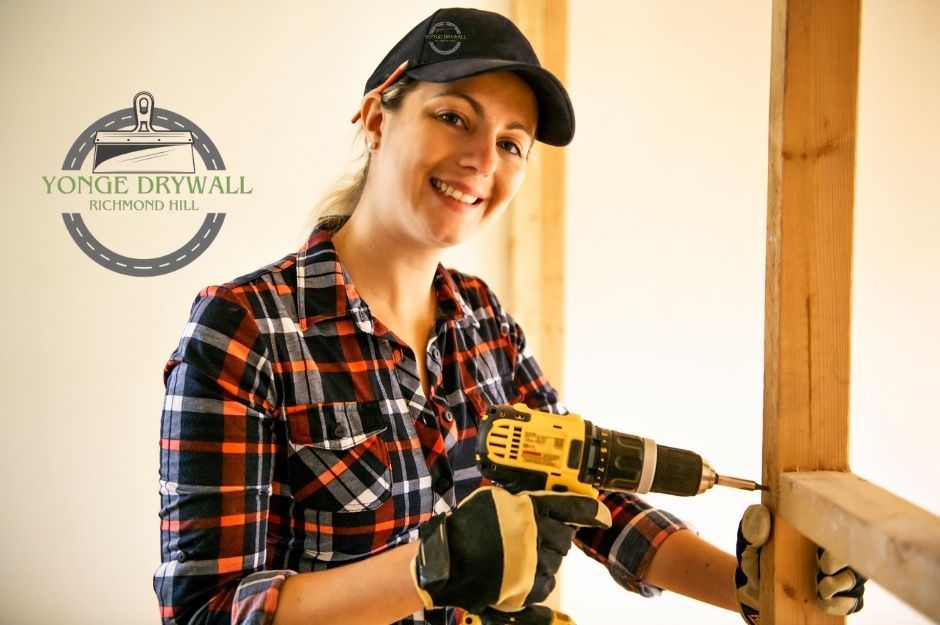
Burlington, a city of nearly 187,000 residents located at the western end of Lake Ontario in Halton Region, faces unique environmental challenges that impact home maintenance. Local contractors in Burlington at Yonge Drywall Richmond Hills offer comprehensive solutions including repair work for damaged ceilings and walls, complete removal of popcorn textures, and installation of modern soundproof materials.
The city's humid continental climate, with cold winters averaging -4.4°C in January and warm summers reaching 22.5°C in July, creates conditions that contribute to drywall damage through temperature fluctuations and seasonal moisture changes.
Burlington homeowners face various drywall challenges, from unsightly ceiling cracks and outdated popcorn textures to holes from daily wear and tear. Whether you're dealing with water damage, sagging ceilings, or simply want to modernize your home's interior surfaces, professional drywall services can restore and enhance your living space.
The right drywall contractor combines technical expertise with quality finishing techniques to deliver seamless results. You'll discover how professional repair services address common issues, learn about installation options that improve your home's functionality, and understand the finishing processes that create smooth, attractive surfaces ready for paint or texture application.
Yonge Drywall Richmond Hill (HP)
Drywall Repair Services in Burlington, Ontario
Professional drywall repair services in Burlington address common issues like ceiling cracks from settling, outdated popcorn textures, wall holes from daily wear, and moisture-related damage. The city's proximity to Lake Ontario and its position along the Niagara Escarpment create unique moisture challenges that Burlington contractors are well-equipped to handle. These specialized repairs restore your home's structural integrity and visual appeal.
Ceiling Crack Repair
Ceiling cracks develop from natural house settling, temperature fluctuations, and structural movement. Burlington's average annual precipitation of 763mm of rain and 99cm of snow, combined with temperature swings from summer highs of 28°C to winter lows of -8°C, create ideal conditions for expansion and contraction that lead to cracking. Small hairline cracks typically indicate minor settling, while larger cracks may signal more serious structural issues.
Common crack types include:
- Hairline stress cracks
- Corner cracks at joints
- Sagging-related cracks
- Settlement cracks
The repair process starts with crack assessment and cleaning. Professional contractors remove loose material and apply mesh tape or fiberglass strips for reinforcement. Multiple coats of joint compound create a smooth surface.
Proper preparation prevents crack recurrence. This includes addressing underlying moisture issues and ensuring adequate structural support. The final step involves sanding, priming, and painting to match existing ceiling texture and color.
Popcorn Ceiling Removal
Popcorn ceilings were popular from the 1950s through 1980s but now appear dated and collect dust easily. Many Burlington homes built during the city's rapid expansion period following World War II and through its incorporation as a city in 1974—when the population exceeded 100,000—feature these outdated textures. Removal requires careful handling, especially in older homes where asbestos may be present.
Professional removal begins with asbestos testing for ceilings installed before 1980. If asbestos is present, specialized contractors handle safe removal following strict protocols.
The removal process involves covering furniture and floors, then spraying the ceiling with water to soften the texture. Contractors scrape away the popcorn material using wide putty knives, working in manageable sections.
After removal, the ceiling surface requires repair of any gouges or imperfections. Fresh joint compound smooths the surface, followed by sanding and priming. You can then choose a modern texture or leave the ceiling smooth for a contemporary look.
Hole Patching and Wall Restoration
Wall holes result from doorknob impacts, furniture bumps, wall anchor removal, and accidental damage. Repair methods depend on hole size and wall construction.
Repair techniques by size:
- Small holes (nail holes): Spackling compound application
- Medium holes (1-3 inches): Self-adhesive mesh patches
- Large holes (3+ inches): Drywall patch installation
Small holes require minimal preparation. Clean the area and apply spackling compound with a putty knife. Sand smooth once dry and apply primer before painting.
Medium-sized holes need mesh patches or repair kits. Place the patch over the hole and apply joint compound in thin layers, feathering edges to blend with the surrounding wall.
Large holes require cutting a replacement drywall piece. Professional contractors measure and cut patches precisely, secure them with screws or adhesive, then apply tape and multiple compound coats for seamless integration.
Sagging and Water Damage Solutions
Sagging drywall occurs from water damage, inadequate fastening, or structural issues. Burlington's location at the southwestern end of Lake Ontario, with its moderating effect on winter temperatures but increased humidity levels, makes water damage a particular concern for homeowners. Water damage creates bubbling, staining, and material deterioration that requires immediate attention.
Water damage assessment identifies the moisture source and extent of affected material. Contractors use moisture meters to detect hidden dampness behind visible damage. All wet insulation and damaged drywall must be removed to prevent mold growth.
Water damage repair steps:
- Source identification and repair
- Affected material removal
- Structural drying
- Mold treatment if necessary
- Replacement installation
Sagging repairs may require additional fasteners or furring strips for proper support. In severe cases, complete section replacement ensures long-term stability. Proper ventilation and moisture control prevent future issues.
Professional contractors address both visible damage and underlying causes. This comprehensive approach ensures repairs last and prevents recurring problems that compromise your home's structural integrity.
Professional Drywall Installation
Professional installation involves precise measurement, cutting, and mounting of drywall panels with proper fastening techniques. Burlington contractors, serving the city's 187 square kilometer area from neighborhoods near Burlington GO Station to properties along Lakeshore Road, provide specialized installations like soundproofing and ceiling panel replacement that require specific materials and methods to achieve optimal performance.
Soundproof Drywall Installation
Soundproof drywall installation requires specialized materials and techniques to reduce noise transmission between rooms. With Burlington's location along major transportation corridors including the Queen Elizabeth Way, Highway 403, and the 407 ETR, plus proximity to Burlington Airpark and active GO Transit stations at Appleby, Burlington, and Aldershot, soundproofing has become increasingly important for homeowners seeking peace and quiet. Mass-loaded vinyl and acoustic drywall provide superior sound dampening compared to standard drywall.
The installation process begins with adding resilient channels to decouple the drywall from studs. This prevents sound vibrations from transferring through the framing.
Green Glue compound gets applied between two layers of drywall to create a constrained layer damping system. This compound converts sound energy into heat.
| Component | Purpose | Sound Reduction |
|---|---|---|
| Acoustic Drywall | Dense material blocks sound | 3-5 STC points |
| Mass-loaded Vinyl | Adds mass without thickness | 5-10 STC points |
| Green Glue | Dampens vibrations | 5-9 STC points |
Proper sealing around electrical outlets and gaps prevents sound leaks that compromise performance.
Replacing Ceiling Panels
Ceiling panel replacement involves removing damaged sections and installing new drywall to match existing surfaces. Water damage and structural settling commonly require panel replacement rather than simple patching.
The removal process requires cutting along joists to create clean edges for the new panel. Mesh tape and joint compound create seamless transitions between old and new sections.
New panels must match the existing thickness, typically ½ inch for ceilings. Ceiling screws spaced every 12 inches into joists provide adequate support against sagging.
Texture matching ensures the repair blends invisibly with surrounding areas. Common ceiling textures include orange peel, knockdown, and smooth finishes.
Expert Drywall Finishing
Professional drywall finishing creates smooth, flawless surfaces through precise texturing, mudding, and taping techniques. These processes ensure your walls achieve the desired appearance and prepare them for painting or other decorative treatments.
Drywall Texturing
Texturing adds visual interest and depth to your walls while helping conceal minor imperfections. Burlington drywall professionals, serving homes from the historic downtown area near Brant Street—named after Mohawk chief Joseph Brant, the city's founder—to newer developments along Upper Middle Road and Dundas Street, apply various textures including orange peel, knockdown, and stipple finishes.
Orange peel texture creates a subtle bumpy surface that resembles citrus fruit skin. This popular choice works well in most rooms and provides moderate coverage for wall flaws.
Knockdown texture involves spraying compound onto walls then flattening the peaks with a trowel. This technique produces a sophisticated mottled appearance that's especially effective in living areas and bedrooms.
Common texture applications:
- Light textures for modern homes
- Heavy textures for rustic or traditional styles
- Smooth finishes for contemporary spaces
Your contractor will match existing textures or help you select new patterns that complement your home's design. Proper texture application requires specific tools and timing to achieve consistent results across all surfaces.
Mudding and Taping
Mudding and taping seal joints between drywall sheets and create seamless wall surfaces. This multi-step process involves applying paper or mesh tape over seams then covering with joint compound.
The first coat embeds tape into wet compound and fills the joint gap. Subsequent coats widen the repair area and feather edges to blend with surrounding wall surfaces.
Typical mudding process:
- First coat - Embed tape and fill joints
- Second coat - Widen coverage area
- Third coat - Final smoothing and feathering
Professional mudding requires proper drying time between coats. Each layer must cure completely before sanding and applying the next coat.
Corner beads protect outside corners from damage while creating crisp, straight lines. Inside corners receive special folded tape that conforms to the angle without bunching or bubbling.
Your finishing crew will sand between coats to remove ridges and achieve the smooth surface needed for quality paint adhesion.