
Drywall Repair Aurora
Top-Quality Drywall Repair Service Company in Aurora, ON
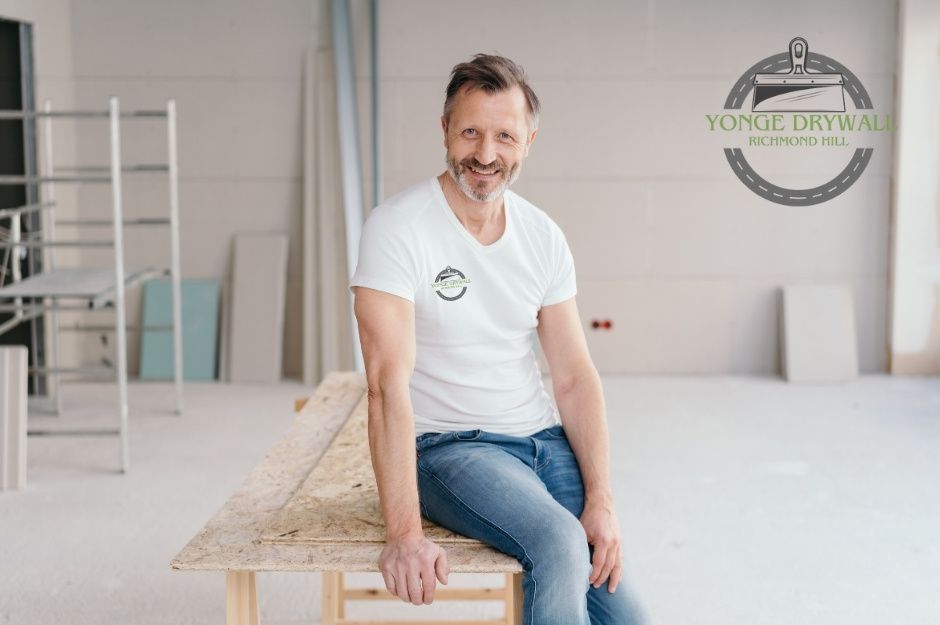
Drywall issues can transform your beautiful Aurora home into a source of constant frustration and embarrassment. Professional drywall repair services at Yonge Drywall Richmond Hill in Aurora, Ontario address everything from minor hole patching and water damage restoration to complete ceiling panel replacement and soundproof installation.
Whether you're dealing with unsightly ceiling cracks, outdated popcorn textures, or holes from everyday wear and tear, damaged drywall affects both your home's appearance and value. These specialized services ensure your walls and ceilings maintain their structural integrity while providing the smooth, flawless finish your home deserves.
Your drywall repair needs require more than basic patching techniques. Expert installation, precise finishing work, and proper texture matching demand professional skills and specialized tools that deliver lasting results you can trust. With Aurora's population growing to 62,057 residents as of 2021, making it the 92nd largest municipality in Canada, the demand for quality home maintenance services continues to increase across the town's expanding residential areas.
Yonge Drywall Richmond Hill (HP)
Comprehensive Drywall Repair Services in Aurora, Ontario
Professional drywall repair services address structural damage ranging from hairline ceiling cracks to extensive water damage restoration. Specialized techniques for popcorn ceiling removal and complete panel replacement ensure your home maintains its structural integrity and aesthetic appeal. Aurora homeowners particularly benefit from these services given the town's location on the Oak Ridges Moraine, where natural foundation settling can create structural shifts that lead to wall and ceiling cracks.
Ceiling Crack Repair
Ceiling cracks develop from foundation settling, temperature fluctuations, or structural movement in your Aurora home. Properties in historic neighborhoods like Northeast Old Aurora—designated as a provincial Heritage Conservation District in 2006—often require specialized crack repair techniques that preserve the integrity of older construction while addressing age-related settling issues. Small hairline cracks require mesh tape and joint compound application, while larger cracks need more extensive repair methods.
Common crack types include:
- Hairline stress cracks
- Settlement cracks along joints
- Water damage related splitting
- Corner bead separation
Professional repair begins with crack assessment to determine the underlying cause. The damaged area receives proper preparation through cleaning and priming before compound application.
Multiple coats of joint compound create a smooth, seamless finish. Each layer requires complete drying and light sanding between applications. Final texture matching ensures the repaired area blends invisibly with surrounding ceiling surfaces.
Popcorn Ceiling Removal
Popcorn ceiling removal requires specialized equipment and safety protocols due to potential asbestos content in pre-1980 installations. Many Aurora homes built during the town's development boom after World War II through the 1970s may contain popcorn ceilings with asbestos, making professional testing and removal essential for homeowner safety. Professional removal services test materials before beginning work to ensure safe handling procedures.
The removal process involves covering floors and furniture with protective plastic sheeting. Ceiling surfaces receive light water misting to reduce dust and ease scraping. Professional scrapers systematically remove the textured material without damaging underlying drywall.
Safety considerations include:
- Asbestos testing requirements
- Proper ventilation systems
- Protective equipment usage
- Debris containment methods
After removal, ceiling surfaces require smoothing and priming before new finish application. This process typically takes 2-3 days depending on room size and complexity.
Ceiling Panel Replacement
Extensive drywall damage from water leaks or structural issues requires complete panel replacement rather than patching. This service involves removing damaged sections and installing new drywall panels with proper fastening techniques. Homes in Aurora's newer developments stretching east toward Highway 404 and north to Newmarket's border benefit from modern construction standards, though water damage from roof leaks or plumbing issues still requires professional panel replacement services.
Professional installation ensures proper panel sizing and secure attachment to ceiling joists. New panels receive tape and mud finishing to create seamless transitions with existing surfaces.
Replacement scenarios include:
- Severe water damage
- Large hole damage
- Sagging drywall sections
- Multiple crack patterns
Panel replacement projects require matching existing ceiling thickness and texture. The finishing process includes three-coat mud application, sanding, and primer before final paint application.
Hole Patching, Sagging, and Water Damage Restoration
Professional drywall repair services address structural damage through specialized patching techniques, reinforcement methods for compromised areas, and comprehensive moisture remediation. These repairs restore both the appearance and integrity of your walls and ceilings. Aurora's elevation at 304 meters (997 feet) and its position in York Region means homes experience typical southern Ontario temperature fluctuations and humidity changes that can contribute to drywall deterioration over time.
Hole and Dent Patching
Small holes from nails or screws require simple mesh patches and joint compound. Medium holes between 1-6 inches need backing material like mesh or metal patches for proper support.
Large holes over 6 inches require cutting out damaged sections and installing new drywall pieces. Professional contractors match existing textures perfectly after patching.
Common hole types and repair methods:
- Nail holes: Spackle application
- Small dents: Joint compound filling
- Medium holes: Self-adhesive mesh patches
- Large damage: Full section replacement
The repair process involves cleaning debris, applying backing material, layering compound, sanding smooth, and matching surrounding textures. Residents throughout Aurora's diverse neighborhoods—from the historic downtown core at Yonge and Wellington Streets to newer subdivisions in areas like Hills of St. Andrew along Bathurst Street and St. John Sideroad—rely on professional patching services to maintain their homes' appearance.
Repairing Sagging Ceilings and Walls
Sagging drywall indicates loose fasteners, structural movement, or moisture damage. You need immediate attention to prevent complete failure and potential safety hazards.
Contractors remove loose sections and inspect underlying framing for damage. New fasteners secure remaining drywall at proper intervals, typically every 6-8 inches along studs.
Sagging repair steps:
- Remove damaged sections
- Check structural integrity
- Install additional blocking if needed
- Secure with appropriate fasteners
- Patch and refinish affected areas
Severe sagging often requires partial or complete drywall replacement rather than simple refastening.
Water Damage and Stain Solutions
Water damage creates brown stains, soft spots, and potential mold growth behind drywall surfaces. Quick response prevents extensive structural damage and health concerns.
Contractors cut out water-damaged sections completely rather than attempting surface repairs. All affected insulation and framing receives thorough drying and treatment.
Water damage assessment includes:
- Moisture meter readings
- Visual inspection for mold
- Structural integrity checks
- Insulation condition evaluation
Stain-blocking primers prevent bleed-through after repairs. Professional drywall repair services ensure complete moisture removal before installing replacement materials to prevent recurring problems. With Aurora located approximately 48 kilometers (29 miles) north of Downtown Toronto and surrounded by the Greenbelt, homes benefit from relatively cleaner air but still face moisture challenges common throughout York Region's climate zone.
Expert Drywall Installation Solutions
Professional drywall installation requires precise techniques and quality materials to achieve smooth, durable walls and ceilings. Soundproof drywall systems provide enhanced acoustic control for residential and commercial spaces. As Aurora continues expanding eastward beyond Industrial Parkway to Highway 404, new construction and renovation projects throughout communities like Petchville and Aurora North require expert installation services to meet modern building standards.
Soundproof Drywall Installation
Soundproof drywall installation involves specialized materials and techniques to reduce noise transmission between rooms. This process uses acoustic-rated drywall panels that are denser than standard drywall. Homes near Aurora's busiest traffic corridors—particularly along Wellington Street at Yonge, where Aurora experiences its highest traffic volumes—benefit significantly from soundproof drywall installation to reduce road noise intrusion.
Installation components include:
- Sound-dampening drywall panels
- Acoustic sealants and caulks
- Resilient channels or clips
- Insulation materials
The installation process begins with proper framing preparation. Resilient channels are attached to studs to create separation between the drywall and framing structure.
Acoustic insulation fills the wall cavities before drywall installation. The soundproof panels are then mounted using specific screw patterns to maintain acoustic integrity.
All seams and penetrations require acoustic sealant to prevent sound leaks. Professional installation ensures optimal sound reduction performance for your space. Residents living near the Aurora GO Station on the Barrie Line, where trains depart approximately every 15-30 minutes during peak periods, often choose soundproof drywall to minimize train noise while enjoying convenient transit access to Toronto and Barrie.
Professional Drywall Finishing Techniques
Proper drywall finishing requires specialized techniques for texturing, mudding, and taping that create smooth, professional surfaces. These methods ensure your walls and ceilings look seamless and ready for paint or other treatments. Aurora's recognition with the Prince of Wales Prize for Municipal Heritage Leadership in 2008 and the Lieutenant Governor's Ontario Heritage Award in 2009 reflects the community's commitment to quality craftsmanship—a standard that extends to professional drywall finishing work throughout the town.
Drywall Texturing Services
Professional texturing transforms plain drywall into visually appealing surfaces that hide minor imperfections. Aurora drywall contractors apply various texture patterns including orange peel, knockdown, and skip trowel finishes.
The orange peel texture creates a subtle bumpy surface using diluted joint compound sprayed through specialized equipment. This popular finish works well in most rooms and helps conceal wall flaws.
Knockdown texturing involves applying joint compound with a spray gun, then lightly flattening the peaks with a trowel. This technique produces an elegant, sophisticated appearance suitable for living areas and bedrooms.
Common Texture Types:
- Orange peel (light spray pattern)
- Knockdown (flattened peaks)
- Skip trowel (hand-applied swirls)
- Popcorn (acoustic ceiling texture)
Your contractor selects the appropriate texture based on your room's purpose, lighting conditions, and desired aesthetic. Proper texturing requires consistent material application and timing to achieve uniform results across entire surfaces. Whether renovating a century-old home near the historic Church Street School—now the Aurora Cultural Centre since its 2010 reopening—or finishing a new build in Cherry near Ridge Road, professional texturing services match your home's architectural character.
Drywall Mudding Procedures
Joint compound application involves multiple coats to create smooth transitions between drywall panels. Professional mudding starts with a base coat that fills seams and screw holes completely.
The first coat focuses on embedding tape and covering fasteners with minimal excess compound. Contractors use 6-inch knives for initial applications, ensuring proper adhesion without air bubbles.
Second coats extend beyond the first layer using 8-inch or 10-inch knives. This step feathers edges and builds up low spots for consistent surface levels.
Mudding Process Steps:
- Base coat - Fill seams and holes
- Second coat - Feather and level
- Final coat - Smooth and blend
- Sanding - Remove imperfections
Final coats require 12-inch knives or larger to create wide, gradual transitions. Each layer must dry completely before applying the next coat to prevent cracking or poor adhesion.
Precision Taping and Seam Work
Paper tape provides the strongest foundation for drywall seams when properly embedded in joint compound. Professional installers center the tape precisely over joints and press out air bubbles systematically.
Inside corners require folded paper tape that conforms to the 90-degree angle. Contractors apply compound to both surfaces before positioning the tape for maximum strength.
Mesh tape works well for repairs and patches but requires different application techniques. The self-adhesive backing simplifies positioning, though it needs more compound layers than paper tape.
Taping Best Practices:
- Paper tape - Strongest option for new construction
- Mesh tape - Convenient for repairs
- Corner bead - Metal or plastic corner protection
Butt joints need careful attention since they lack the recessed area found in tapered seams. These joints require wider compound application and additional coats to blend seamlessly with surrounding surfaces.
Your drywall repair services include proper taping techniques that prevent future cracking and ensure long-lasting results. Professional contractors serving Aurora's 1,241.1 residents per square kilometer understand that quality taping and finishing work protects your investment in one of York Region's most desirable communities, conveniently positioned between Toronto and Barrie with excellent access via Highway 404 and YRT's Viva Blue Bus Rapid Transit service.